Conservation
The bulb capital of the world
Napier sits beside two of the planet's rarest landscapes: Overberg Renosterveld and Soetmuisberg fynbos — both critically endangered, both worth defending.
Critically Endangered
Less than 5% remains.
Napier is surrounded by agricultural commonages and small conservation areas containing Overberg Renosterveld — including the Cameron MacMaster Renosterveld Reserve, the Napier Ferricrete Renosterveld Reserve, and the Skurwekop conservation area.
It is one of the world's most threatened vegetation types. The remainder is under constant threat from illegal ploughing, overgrazing, and insecticide drift from surrounding farmland.
The Southern Overberg Renosterveld is the bulb capital of the world — Ixias, Gladiolus, Babiana, and species found nowhere else on the planet.
Working, Together.
Conserved by partnership, not by one body alone
COMMONAGE
Napier Mountain Conservancy
TRUST & SOCIETY
Overberg Renosterveld Conservation Trust & Southern Overberg Botanical Society
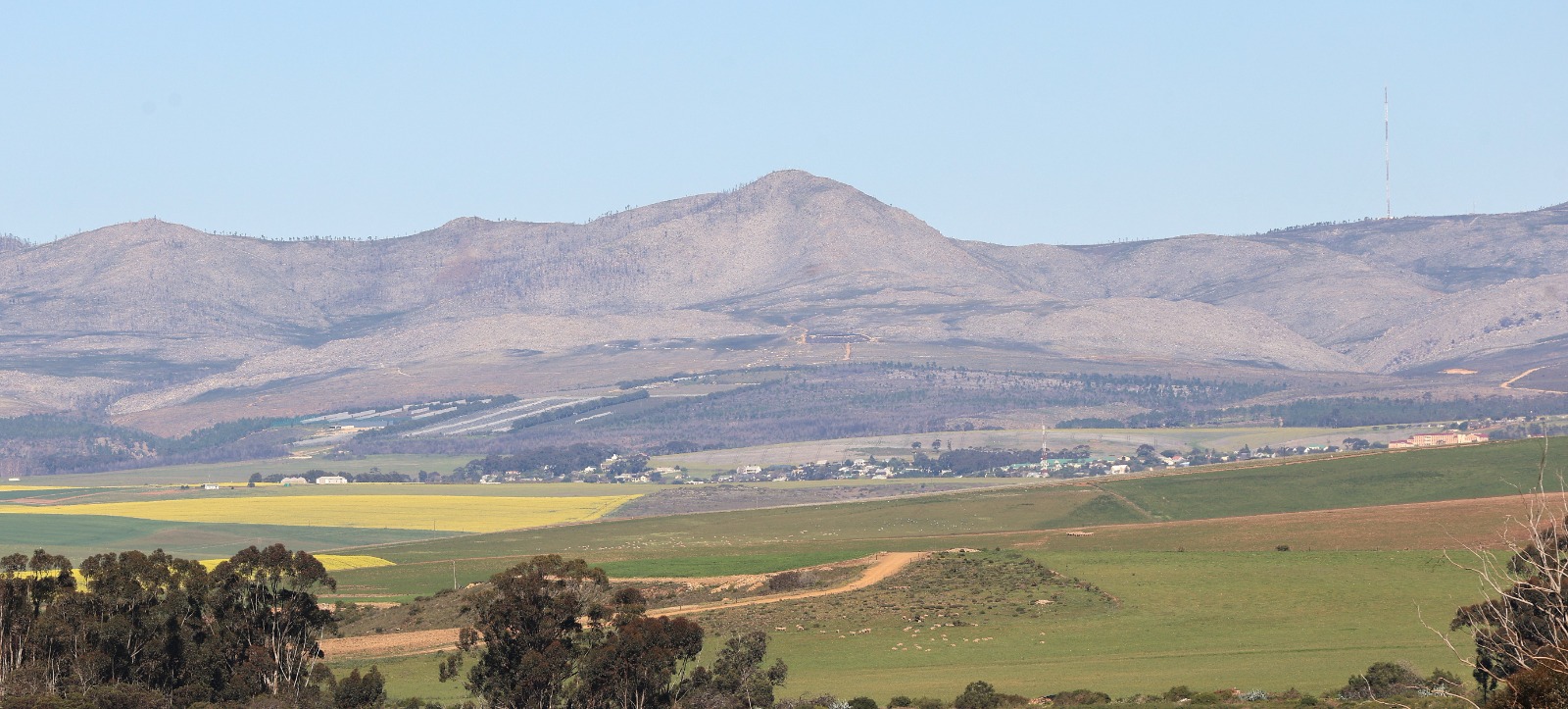
Soetmuisberg
More species than almost anywhere on earth.
The mountain is covered in fynbos despite growing on very poor soils — and is regarded as having more plant species per comparable area than almost anywhere else on the planet.
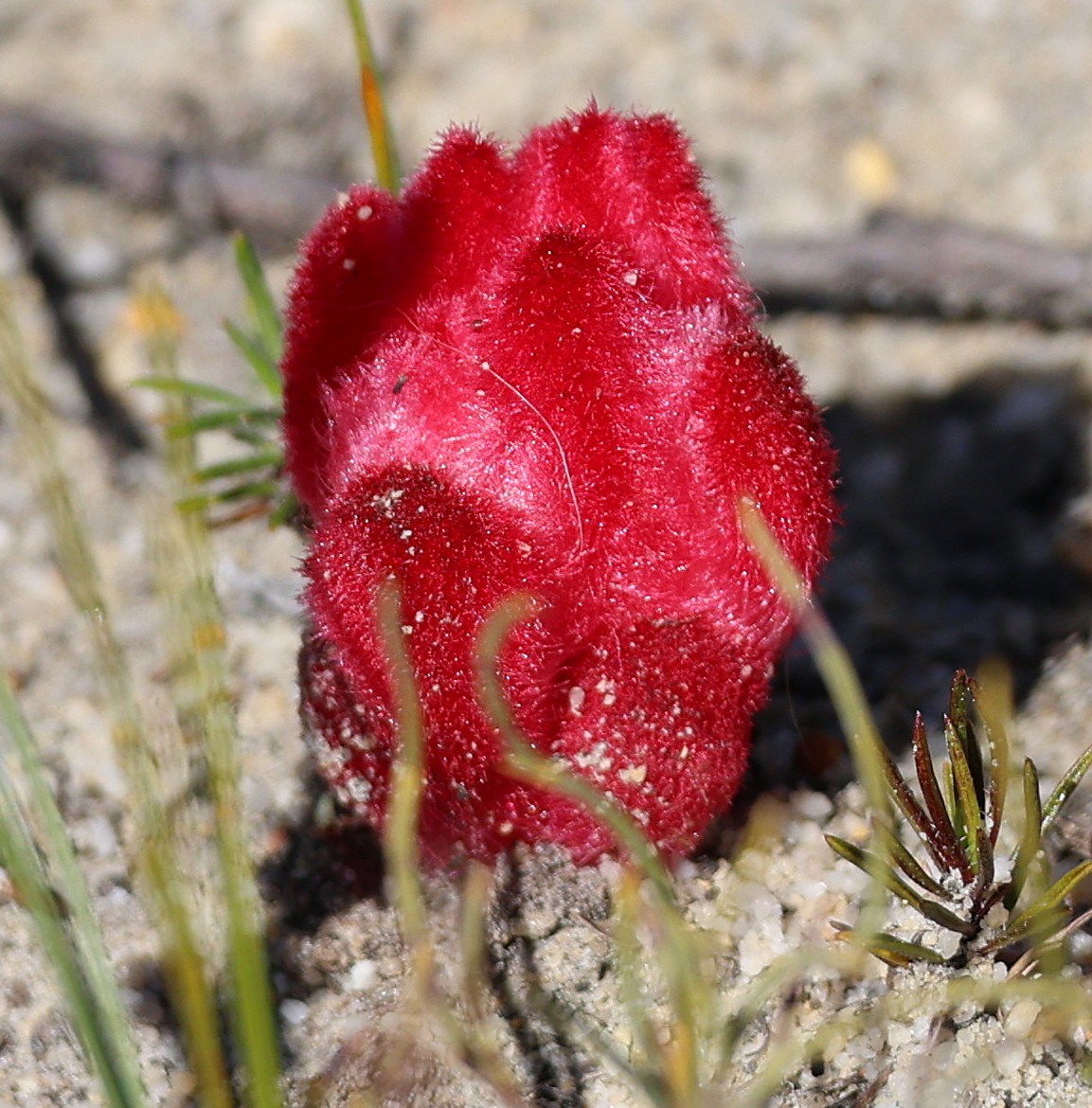
It also shelters one of the most threatened plant species on earth: an Erica species with fewer than 50 plants known to remain in the world. Its biggest threat is invasive alien vegetation — pine and a range of Australian species displacing native flora.
Water
The Klippedrift River corridor
The Vlermuiskelderkloof Stream, rising below the Vierfontein Dam, becomes the Klippedrift River — Napier's main water source, supplemented by groundwater. It carries great environmental, socio-economic, and heritage importance.
We intend to restore water quality by removing invasive vegetation and opening the banks for recreational use, while restoring the village's historic leivoor watering-canal system where possible.